Stepping onto Indian soil for the very first time, I chose New Delhi as the starting point of my journey. For many, India is a land shrouded in an aura of mystery—a place defined by the heady scent of spices, a long and illustrious civilization, bustling and crowded streets, and a vibrant, colorful religious culture. As India’s capital, New Delhi serves as a window—one that allowed me to catch a glimpse of this nation’s rich and complex character.
As the plane made its slow descent into Indira Gandhi International Airport, golden sunlight bathed the city skyline outside my window, filling my heart with anticipation. Over the days that followed, I wove my way through historical monuments, sacred religious sites, and modern urban districts, immersing myself in the city’s unique charm.
First Impressions of New Delhi: A Clash of Bustle and Chaos
Stepping out of the airport, I was immediately struck by the intense energy of New Delhi. Cars, motorcycles, and auto-rickshaws flowed in a ceaseless stream along the roads, their drivers seemingly following a rhythm of their own. Street vendors enthusiastically beckoned to customers, while the air was thick with the aromas of curry, naan, and chai.
Although I initially felt a bit overwhelmed by the cacophony, I soon realized that this was the authentic pulse of life in India. There was no artificial polish here; everything was brimming with vitality and life force.
After taking a brief rest at my hotel, I set out on my journey of exploration through New Delhi.
The India Gate: A Majestic Monument Bearing Witness to History
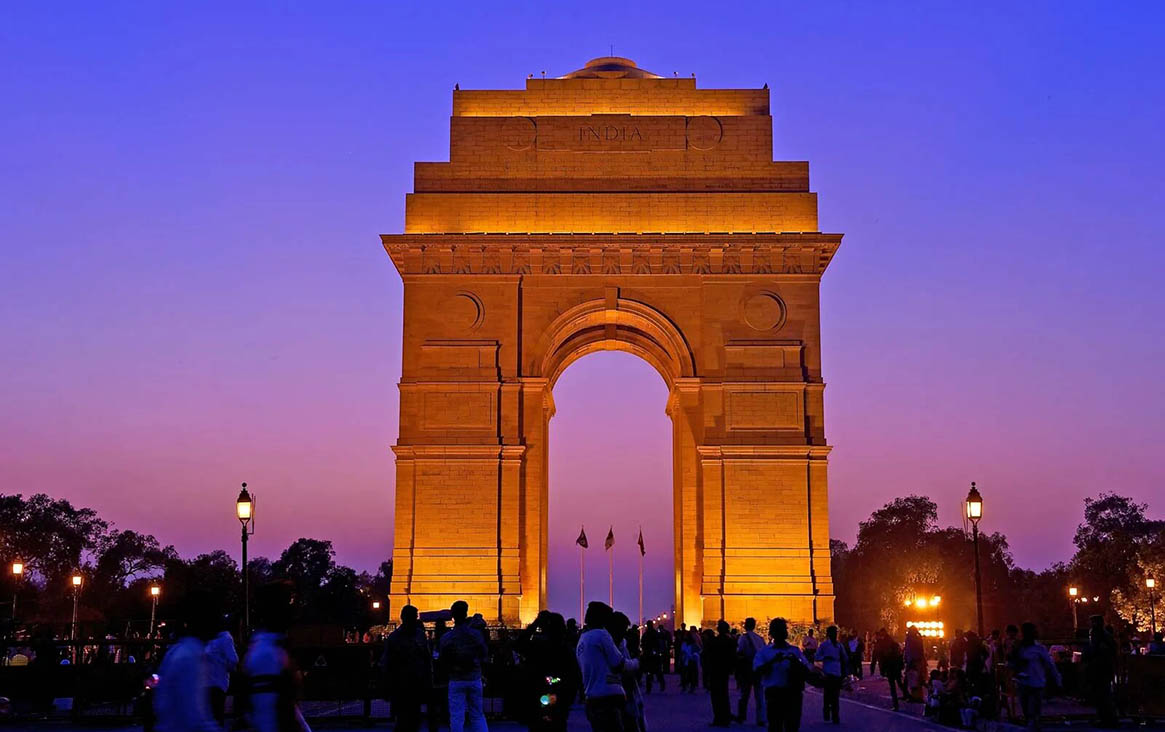
My first stop was the renowned India Gate. Viewed from a distance, this towering triumphal arch stood majestically at the end of a wide avenue, appearing particularly solemn and grand beneath the sunlight.
The India Gate was erected to honor the Indian soldiers who lost their lives during the First World War and the Anglo-Afghan Wars. Upon closer inspection, I saw that the stone walls were densely inscribed with the names of the fallen soldiers—a sight that inspired a profound sense of reverence.
As evening approached, the area filled with local families and tourists alike. Children ran and played on the lawns, couples strolled leisurely, and vendors pushing ice cream carts wove their way through the crowds. As night fell, the lights slowly flickered to life, making the India Gate appear even more spectacular against the backdrop of the night sky.
Sitting quietly at the edge of the lawn, admiring the scene before me, I suddenly felt as though history and reality were converging right here. The structures commemorating the war did not lend the place a somber air; on the contrary, they had evolved into a public space where citizens shared their daily lives—a contrast that left a deep impression on me.
The Red Fort: Traversing the Glorious Era of the Mughal Dynasty
On the morning of my second day, I visited one of New Delhi’s most iconic historical landmarks: the Red Fort.
Standing before its towering red sandstone walls, I was immediately awestruck by its magnificent grandeur. As a pivotal palace complex of the Mughal Empire, the Red Fort once stood as a symbol of imperial power and glory.
Upon entering the fortress, I strolled leisurely along its broad pathways. Exquisite carvings, symmetrical courtyards, and an elegant palace layout—every detail bore witness to the empire’s prosperity in its heyday.
A tour guide recounted the stories of Emperor Shah Jahan to the visitors. It was this very emperor who commissioned the construction of both the Taj Mahal and the Red Fort, thereby elevating Mughal architectural artistry to its absolute zenith.
Wandering amidst the palace ruins, I attempted to conjure up images of scenes from centuries past: nobles and royalty clad in resplendent attire moving through the grounds; musicians playing melodious tunes; and ministers deliberating on state affairs within the royal courts. History seemed to slowly unfold right before my eyes.
What left the most indelible impression on me was standing at a high vantage point, gazing out over the cityscape of Old Delhi. The ancient and the modern coexisted within my field of vision—skyscrapers and mosques intertwined to form a unique urban tableau.
Jama Masjid: Experiencing the Solemnity of Religious Culture
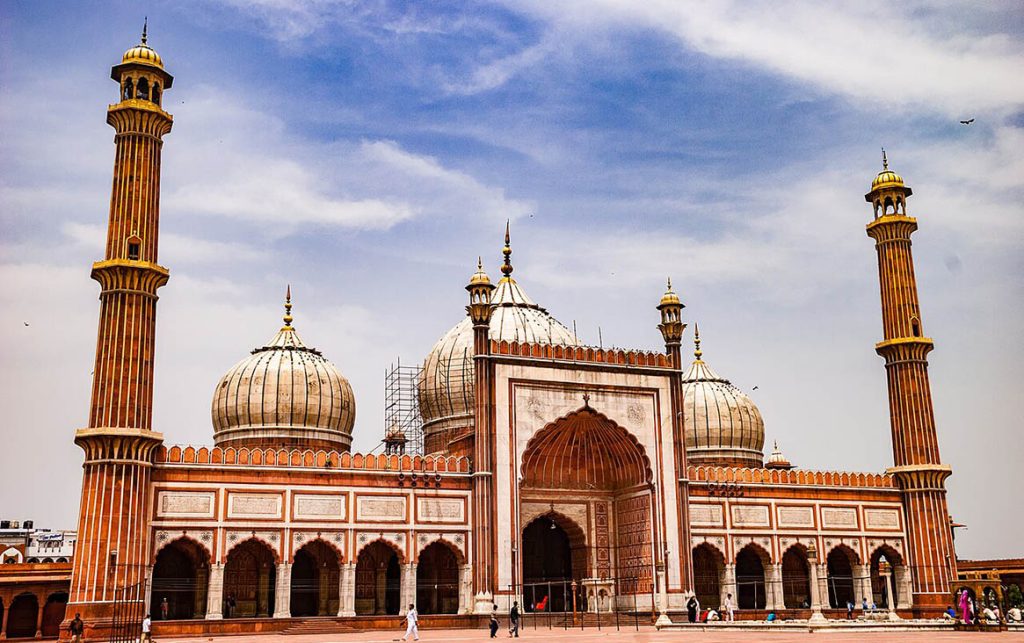
After leaving the Red Fort, I walked over to the nearby Jama Masjid.
This is one of the largest mosques in India, commissioned by the very same Emperor Shah Jahan who built the Taj Mahal. Before entering the mosque, visitors are required to remove their shoes; a staff member also kindly lent me a long robe to ensure my attire met the visitation requirements.
Stepping barefoot onto the warm marble flooring, I was instantly enveloped by a profound sense of tranquility. The expansive courtyard is vast enough to accommodate tens of thousands of worshippers simultaneously—a monumental space that compels one to instinctively tread with a lighter step.
As it happened to be prayer time, a considerable number of worshippers had gathered there. The mosque resonated with the distant, melodious chanting of prayers, creating an atmosphere that felt both solemn and sacred.
I sat at the edge of the courtyard, quietly observing everything unfolding around me. Although I do not practice Islam, in that moment, I could still deeply sense the spiritual strength that religion imparts to people. Mutual understanding and respect between different cultures also emerged as one of the most profound meanings of my journey.
Chandni Chowk: Experiencing Authentic Indian Life
If the Red Fort and the mosques showcase the history of New Delhi, then Chandni Chowk reveals the city’s most vibrant and lively side.
It is one of the busiest commercial districts in Old Delhi—and, for me, the most striking and impactful place of the entire trip.
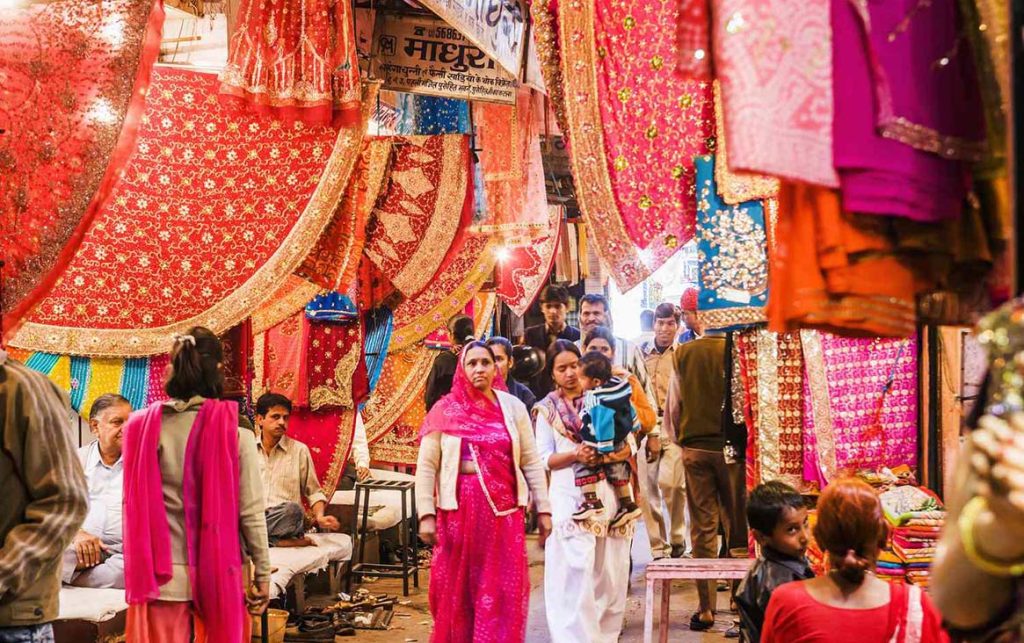
The narrow streets are lined shoulder-to-shoulder with shops selling spices, saris, jewelry, handicrafts, and a variety of street food. Crowds of people, vehicular traffic, and auto-rickshaws intertwine to create a rhythm that, while seemingly chaotic, possesses a marvelous underlying order.
I stepped into a spice shop and was instantly enveloped by a heady, aromatic scent. Shelves were piled high with red chilies, turmeric, cinnamon, and cardamom—a vibrant display of colors resembling an artist’s palette.
The shopkeeper enthusiastically explained the uses of the various spices and even offered me a taste of traditional Indian chai. The rich milk blended perfectly with the aromatic spices; I fell in love with the drink on the very first sip.
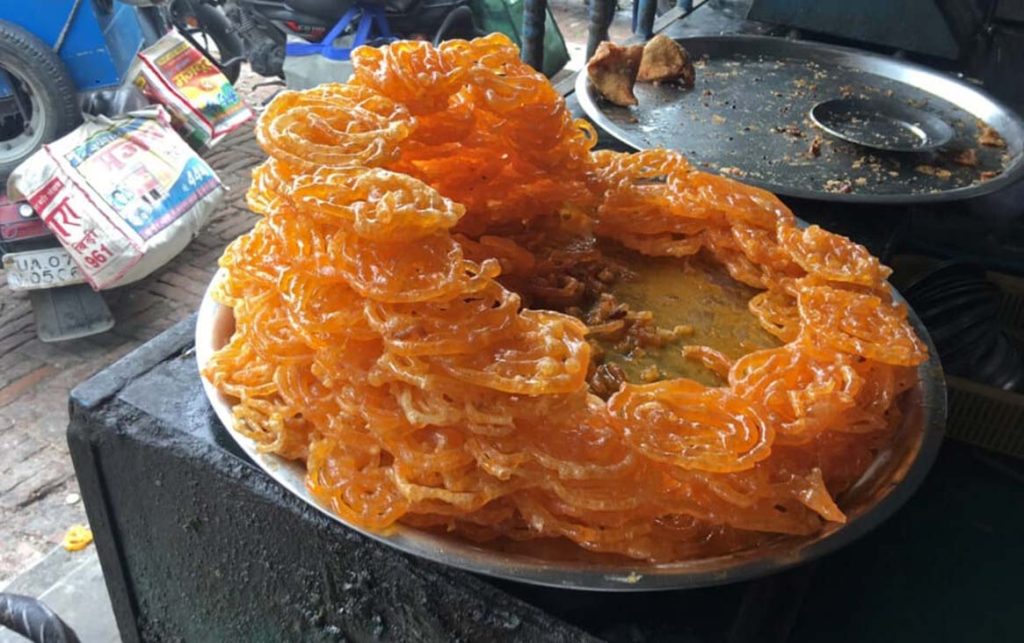
Afterward, I sampled some of the local culinary specialties: deep-fried samosas and various sweet-and-sour street snacks. Although the flavors were more intense than I had anticipated, they allowed me to fully experience the unique charm of Indian food culture.
Humayun’s Tomb: The Inspiration for the Taj Mahal
On my third day, I visited Humayun’s Tomb—often hailed as the “precursor to the Taj Mahal.”
In contrast to the imposing grandeur of the Red Fort, this site exudes an air of tranquility and elegance. The tomb sits at the heart of a sprawling garden, where red sandstone and white marble play off one another in a display of exquisite geometric beauty.
As I strolled along the garden paths, shaded by lush greenery, the air was filled with the ceaseless chirping of birds. Compared to the clamor of the city center, this place felt like a world apart.
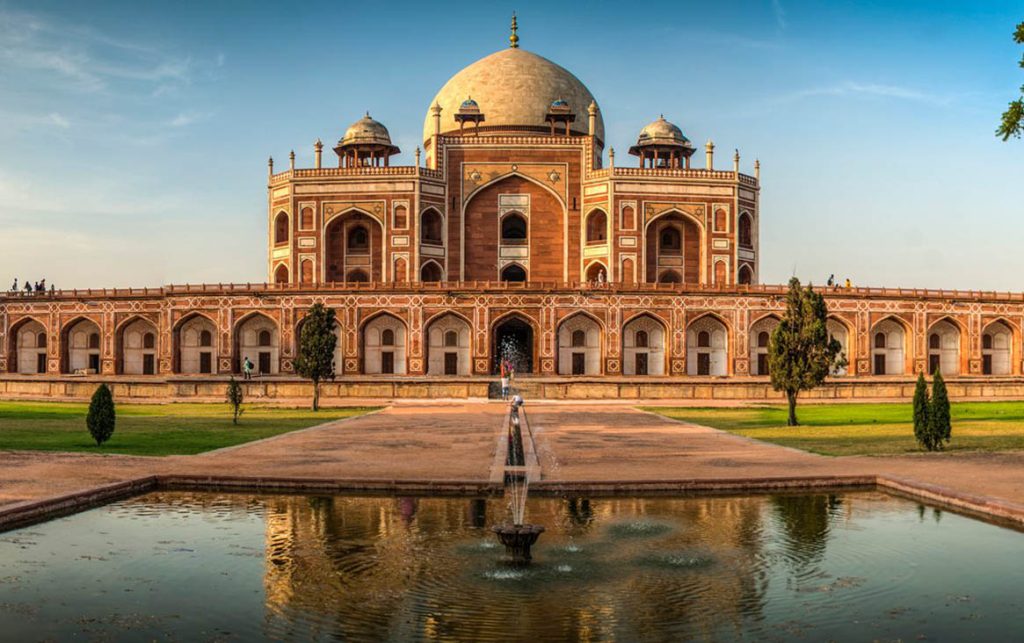
I sat on a bench for a long while, quietly admiring the reflection of the tomb shimmering in the central pool. Sunlight filtered through the leaves, casting a dappled pattern of light and shadow, while the air carried the faint, sweet scent of flowers.
In that moment, I finally understood why this site has been designated a UNESCO World Heritage Site. It is not merely a tomb, but a masterpiece of art spanning centuries.
Understanding the Real India
My brief trip to New Delhi came to a swift end.
Before departing, I reflected once more on the impressions this city had left upon me. It is far from perfect—indeed, one might even describe it as a place of contradictions: the ancient and the modern coexist; poverty and prosperity stand side by side; and tranquil religious sanctuaries lie just a few streets away from bustling street markets.
Yet, it is precisely this complexity that makes New Delhi feel so authentic and captivating.
Here, I witnessed a magnificent historical civilization alongside the vibrant growth of a modern society; I experienced the inclusive coexistence of diverse religious cultures and felt the warmth and optimism that permeate the lives of ordinary people.
Travel is never solely about sightseeing; it is, above all, a process of understanding the world. New Delhi taught me that a city’s greatest allure lies not merely in its famous landmarks, but in the people who inhabit it—and the unique culture they have collectively created.
As the plane lifted off from Delhi’s skies, I cast one final glance at the city through the cabin window. The majestic monuments, the lively bazaars, the aromatic street food, and every smile I encountered along the way—all became indelible fragments etched into my memory.
I am certain that, someday in the future, I will return to this place to continue exploring this land brimming with charm and stories.