The warm air wrapped around me the moment I stepped off the train at Nice-Ville. It wasn’t just the Mediterranean sun or the lazy breeze from the Baie des Anges—it was something subtler, almost elusive, something fragrant. Maybe it was the flowers that bloomed wildly along the Promenade des Anglais or the warm air drifting in from nearby Grasse, the world’s perfume capital. Whatever it was, it pulled me in immediately. I hadn’t even unpacked my bag, and already I knew—this trip would have a scent I’d want to remember.
1. First Impressions of Nice—With a Hint of Bergamot
As I wandered through the pastel-hued streets of Nice, I kept noticing a recurring presence. It wasn’t just the architecture, the cafés, or the azure coastline. It was smell. Not a singular scent, but layers: sweet florals, salty air, citrusy bursts that seemed to appear and disappear like musical notes in a jazz solo.
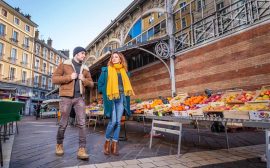
Walking down the Cours Saleya market early one morning, I was enveloped in fragrances—fresh basil, ripe peaches, lavender honey, buckets of roses, and handmade soaps perfumed with verbena. My senses were on high alert. The idea of leaving Nice without taking some of these scents with me suddenly seemed impossible.
2. The Hidden Art of Perfumery in the French Riviera
It’s no secret that Grasse, just a short trip from Nice, is the world’s most renowned perfume hub. But what many people overlook is that Nice has its own distinct olfactory signature. The city isn’t trying to compete with Grasse—it doesn’t need to. Instead, it offers a more intimate, authentic fragrance experience. Not just polished showrooms and global brands, but also local artisans and boutique perfumers who create magic in tucked-away ateliers.
I decided to take a slow, immersive dive into this world. I didn’t want to just shop for perfume—I wanted to understand it. I wanted to meet the people behind it, learn what inspired them, and maybe even find a scent that felt like Nice itself.
3. Fragonard: Where Heritage Meets Sensuality
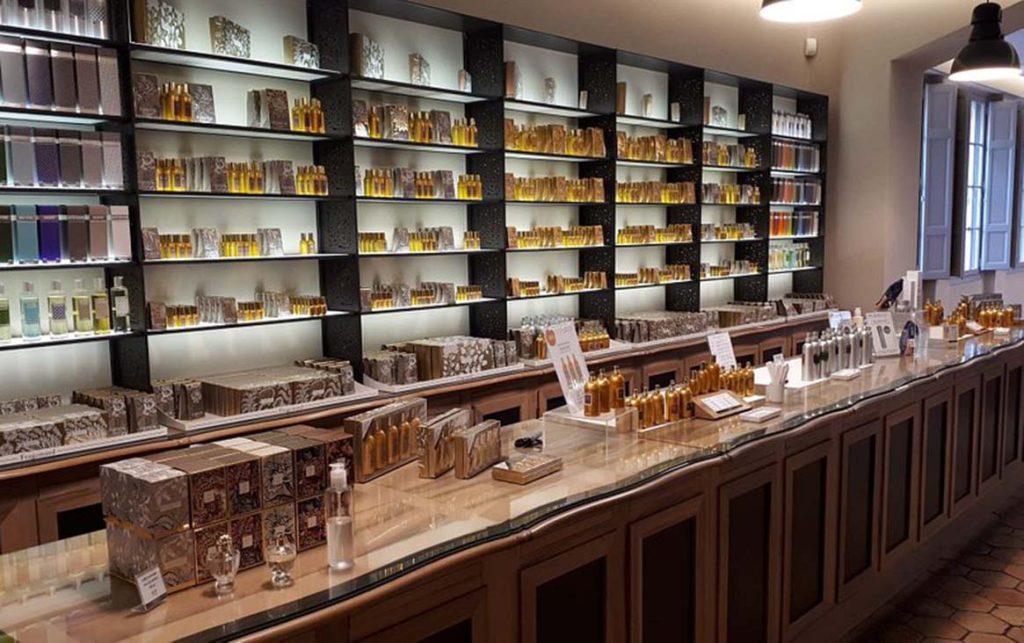
One of my first stops was Fragonard, located in the heart of Old Nice. The boutique is hard to miss: warm ochre walls, polished wood interiors, and a heavy scent of tuberose floating through the open door. I stepped in, half curious, half enchanted.
I was greeted not by salespeople, but by guides—people who wanted to talk, to share stories about how their perfumes were made. I learned that Fragonard was founded in 1926 and that their factory in Grasse still produces most of their scents. But the Nice boutique had its own vibe: softer, more Mediterranean.
I tried a few testers. “Etoile” with its orange blossom and jasmine reminded me of the hotel lobby where I’d checked in that morning. “Belle de Nuit,” darker and muskier, evoked the warm streets at midnight when locals sipped pastis under string lights. I ended up buying “Diamant,” a sensual mix of mandarin, patchouli, and vanilla. It felt like the entire city in a bottle.
4. Molinard Workshop: Blending My Own Memory
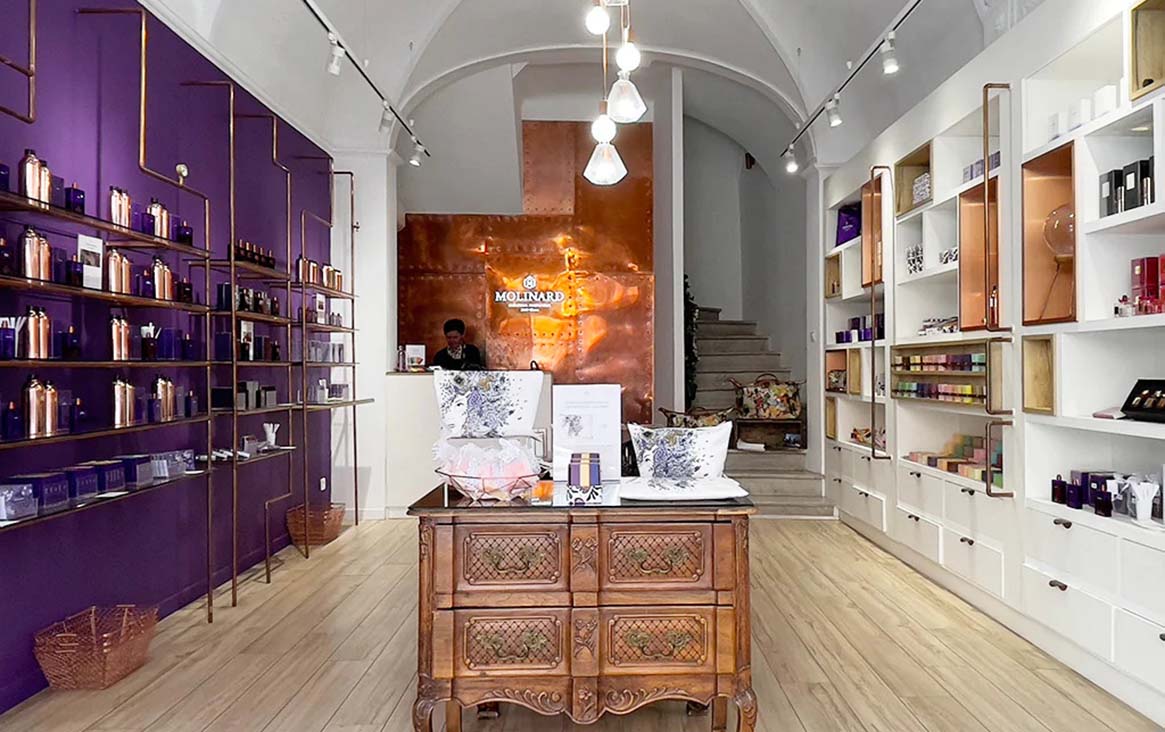
Feeling inspired, I booked a perfume workshop at Molinard. I’d read that you could blend your own fragrance there. What better souvenir than something you designed yourself?
The atelier was serene and bright, with rows of glass vials neatly arranged on wooden counters. My guide walked me through the basics—top notes, heart notes, base notes. I sniffed, took notes, and built my fragrance step by step. I chose bergamot, mimosa, amber, and a hint of cedarwood. It smelled like sun-drenched terraces, slow lunches with wine, and evening walks through narrow alleys.
When I held the finished bottle in my hand—my name printed on the label—I didn’t just have a perfume. I had captured a moment.
5. Galimard: Where It All Began
Though Galimard’s main location is in Grasse, they have a lovely space in Nice that is well worth the visit. The walls were filled with history. Galimard has been creating perfumes since 1747, and it shows in their dedication to craft.
What struck me most was the diversity of their scent palette. I tried a lavender-infused cologne that made me think of fields in the Provence countryside, then switched to a darker leather scent that could have easily belonged in a Parisian jazz bar. Eventually, I fell in love with a scent called “Nocturne,” rich with iris and vetiver, smoky and mysterious like the view from Castle Hill at twilight.
6. Off-the-Beaten-Path: Local Artisan Finds
Beyond the major names, Nice hides a handful of lesser-known perfumeries that took me completely by surprise.
One afternoon, while walking through the Liberation district, I stumbled into a tiny boutique called “Maison Althéa.” The space felt more like an artist’s studio than a store—dried herbs hanging from the ceiling, old books stacked on the windowsill, and a worktable covered in oils and flasks. The perfumer, Claire, welcomed me in with a smile and let me explore her creations.
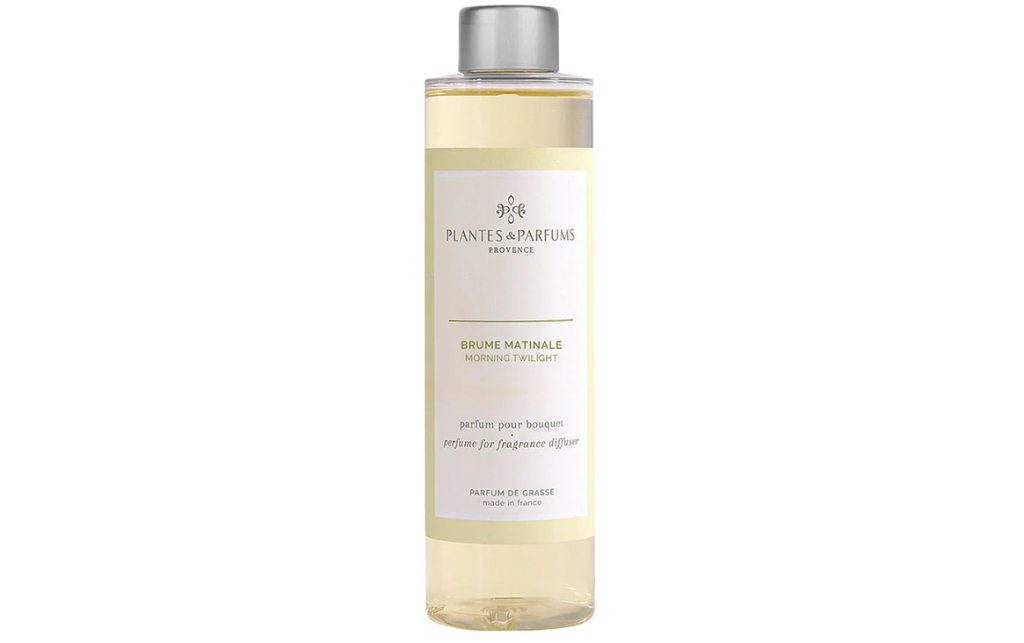
Her scents weren’t polished in the way that big-brand perfumes often are. They were wilder, earthier. I tried one called “Terre Rouge,” which smelled like warm stone, rosemary, and red clay. Another, “Brume Matinale,” captured the dew-laced air of an early morning by the sea.
We talked for nearly an hour about how scent can hold memory better than any photograph. I walked away with two small bottles wrapped in linen and a feeling of immense gratitude.
7. Scent and the City: How Perfume Colored My Time in Nice
As I moved through the city in the days that followed, I began to associate certain neighborhoods with specific scents. The Port district, where the yachts bob lazily under the sun, always seemed to carry notes of salt and fig leaves. The Russian Orthodox Cathedral, with its domes glowing in the late afternoon light, had a cool incense aroma in the air—perhaps from nearby trees or an old cologne someone wore while walking past.
Even the act of shopping for perfume became part of my rhythm. Morning coffee, strolls through the market, then a new scent discovery. It wasn’t just about consumption; it was about connection.
8. Lavender Fields, Lemon Groves, and the Soul of the Riviera
Though I never made it all the way to Grasse during this trip, I could feel its influence everywhere. Local shops sold soaps made with lavender from the plateau of Valensole. Bottles of lemon-scented oils lined market stalls, their brightness echoing the citrus groves that dot the hills inland.
One evening, as the sky turned pink and the scent of grilled fish filled the air, I spritzed a bit of the perfume I had blended at Molinard onto my wrist. Instantly, I was taken back to the first morning of my trip, standing at the balcony of my hotel, watching the city wake up.
That was when I realized something: perfume isn’t just about smelling good. It’s about preserving a feeling. About bottling time.
9. The Return—Carrying Nice With Me
When it was time to leave, I packed my suitcase carefully. Nestled between layers of linen shirts and postcards were my treasures: five bottles of perfume, two handmade soaps, one scented candle, and a sachet of dried lavender. But more than that, I carried with me a new awareness. A heightened sense of smell. A deeper appreciation for the art of fragrance.
Back home, every time I open one of those bottles, I’m transported. I hear the sound of scooters zipping through narrow streets, feel the warmth of the Mediterranean sun, and smell the salty, citrusy, floral, herbaceous air of Nice.