1. Morning Light Over the Mediterranean
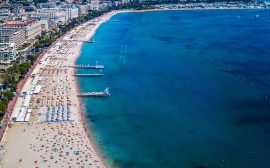
The first light that filtered into my hotel room had a soft, golden tone—the kind of light that gently coaxes you into wakefulness. I stepped out onto the balcony and there it was: the Mediterranean stretching far into the distance, a surface of liquid sapphire glinting under the sun. Below, palm trees swayed over the Promenade des Anglais, and early joggers moved in steady rhythm, like notes in a song I hadn’t heard before but instantly liked.
After a quick breakfast of tartine with local apricot jam and a café crème, I laced up my walking shoes and headed out. The promenade was quieter than I expected for such a well-known stretch. There was something meditative about the gentle whoosh of traffic on one side and the rhythmic tide on the other. The water was calm, translucent, and every few meters, stairs led down to pebbled beaches where a few brave souls had already staked out umbrellas.
I stopped at a bench, facing the sea. A couple of locals were reading newspapers. Someone in cycling gear was adjusting their helmet. I sat there a while, doing nothing but watching the changing color of the water as the sun climbed higher. It shifted from deep blue to turquoise in patches, almost unreal in its brilliance.
2. Into the Heart of Vieux Nice
By mid-morning, I turned off the promenade and wandered into the maze of Vieux Nice. The change was instant—shadows lengthened between tall ochre buildings, narrow streets twisted unpredictably, and the air carried smells of citrus, cheese, and garlic. The charm here wasn’t subtle; it was overwhelming in the best way.
I didn’t follow a map. I let the streets pull me wherever they wanted. Past artisan shops with handmade soaps and lavender sachets, under laundry lines strung between windows, past old men playing pétanque in tiny squares. Everything was so full of character that I kept stopping, even if just to take in a pastel green shutter or a door with chipped paint and a hand-forged iron knocker.
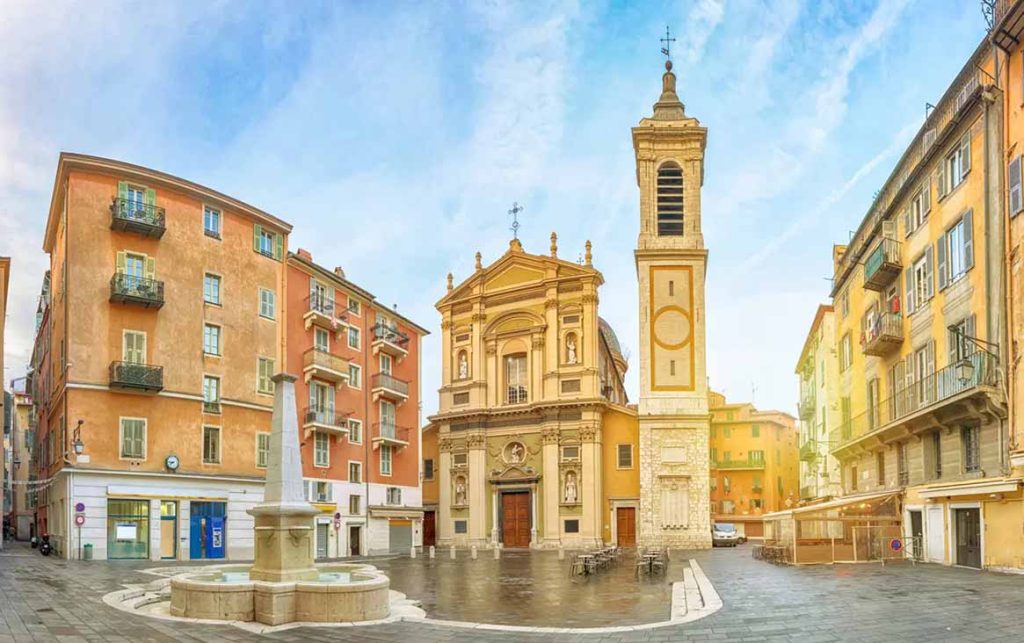
Eventually, I found myself in Place Rossetti. A wide-open square with kids chasing pigeons, the hum of chatter rising from terrace cafés, and the awe-inducing façade of the Cathédrale Sainte-Réparate commanding one end. I walked inside. It was cool and quiet, a space full of carved wood and flickering candles. Outside, I couldn’t resist joining the queue at Fenocchio, the legendary gelateria. I chose one scoop of rose and one of thyme-lemon—flavors I would have never thought to pair, but which worked together like a well-written poem.
3. Cours Saleya and the Colors of the Market
From there, I headed toward Cours Saleya. I could hear the market before I saw it. The buzz of bargaining, the laughter of stallholders, the clink of bottles and cutlery from nearby restaurants setting up for lunch. And then it opened up before me—a vibrant corridor of life.
The flower section was a sensory overload: buckets of peonies, ranunculus, sunflowers, lavender bunches, and roses so fragrant they made the air heady. Further down, fruits and vegetables glowed like gemstones: crimson tomatoes, deep purple figs, fuzzy peaches, and glistening cherries. I passed a stand selling sun-dried tomatoes and tapenade, where the vendor insisted I try a small piece of bread dipped in both. It was salty, rich, and full of sun.
I bought a small tub of Niçoise olives, then spotted a woman cooking socca on a large round pan. The chickpea batter sizzled as she scraped it with a metal spatula, cutting it into rough wedges and handing them over in paper cones. I took one and stepped aside to eat. Crispy on the outside, soft inside, earthy and slightly peppery—it was comfort food at its finest.
4. Climbing Toward the Sky at Castle Hill
After lunch, I decided to climb Colline du Château, or Castle Hill, to see the city from above. I passed a sign pointing toward the staircase and began the ascent. The stairs wound through gardens shaded by trees, with bursts of bougainvillea and the occasional waterfall, which came as a surprise in this otherwise sunbaked landscape.
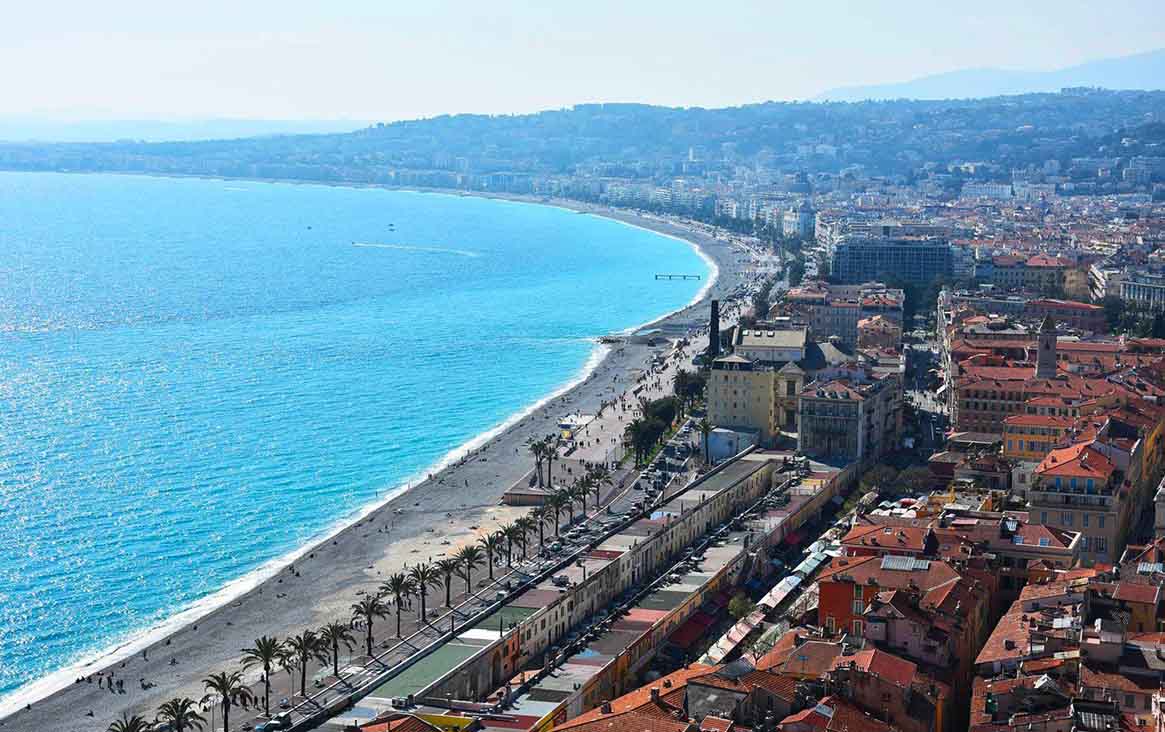
The climb was moderate, but the views were worth every step. About halfway up, I turned to look back and could already see the rooftops of Vieux Nice fanning out toward the sea, their terracotta tiles catching the light. When I reached the top, I was breathless—not just from the stairs, but from the sheer scale of what stretched before me.
The Baie des Anges curved gently along the city’s edge. The pebbled beach traced a silver line between the water and the buildings. The Old Town looked like a painting in warm tones, and further inland, the hills rose gently, dotted with villas and the occasional cypress tree. I sat for a while under the stone arch of a ruined tower, watching birds loop through the air.
5. An Afternoon with Matisse
Still energized, I descended and took the tram north toward Cimiez, a quieter district that feels more like a leafy village than part of a busy coastal city. My goal was the Musée Matisse, housed in a 17th-century villa surrounded by olive groves. The air smelled different up there—cleaner, cooler, with the resinous scent of old trees.
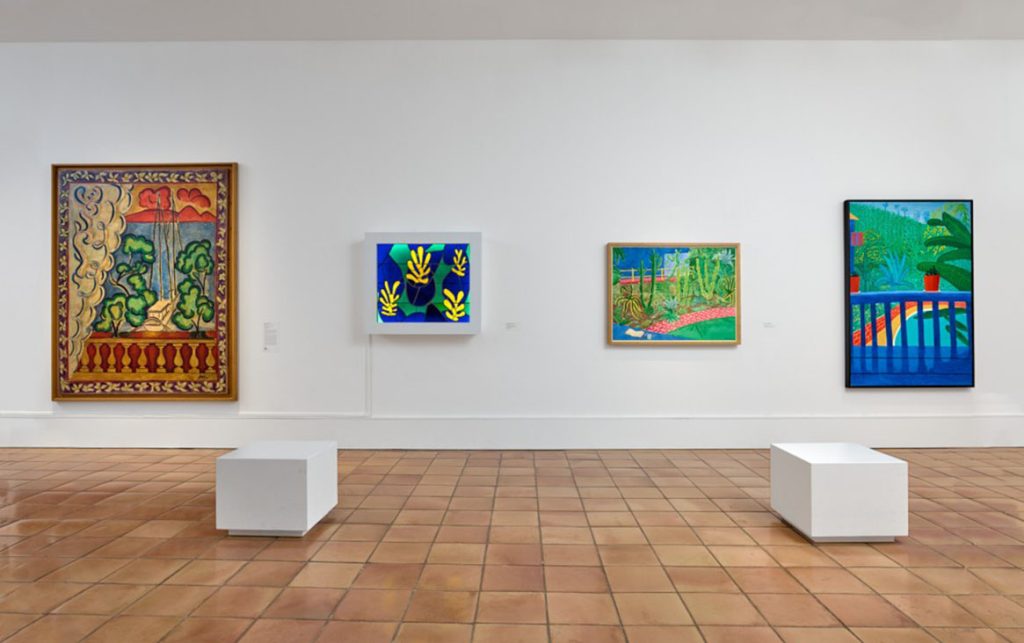
Inside, the museum had an intimacy I didn’t expect. It felt like a conversation rather than an exhibition. The colors in Matisse’s work were alive—fiery reds, cool blues, joyful yellows—and many of the pieces were created in this very city. One room contained paper cutouts so vivid I had to resist the urge to reach out and touch them. Another was filled with portraits of his model and muse, executed in varying degrees of abstraction.
What stayed with me most, though, was a handwritten note framed on the wall. In it, Matisse described his joy at discovering the light of the Côte d’Azur and how it changed his work forever. Looking around at the windows casting their square pools of sunlight onto tiled floors, I understood what he meant.
6. Back Toward the Sea
I took a slow walk back to the city center through the Jardin des Arènes de Cimiez, where elderly couples sat in silence on shaded benches, and children played near Roman ruins. The descent led me eventually to Place Masséna, the city’s formal, symmetrical heart. The geometric paving, black and white like a giant chessboard, contrasted beautifully with the red buildings that framed it.
The day was beginning to soften into late afternoon. I made my way once more to the promenade, the light now slanting low, casting long shadows and warming every surface it touched. I walked down to the water’s edge, took off my shoes, and let the pebbles press into my feet. The sea was calm, its waves lapping slowly as if tired from a day of performing.
I sat there for a long time, not doing anything in particular. Just watching the sun move across the sky. People came and went—lovers walking hand in hand, a child chasing a balloon, someone playing guitar in the distance.
7. Nightfall and a Last Stroll Through the Streets
Hunger eventually pulled me off the beach. I wandered into a small side street near Rue Droite and found a restaurant with outdoor seating and a handwritten chalkboard menu. I ordered a glass of local rosé, a salade niçoise that tasted far fresher than any version I’d tried elsewhere, and a slice of pissaladière—the caramelized onion and anchovy tart that’s so typical of this region.
The wine was chilled, the streetlights came on gradually, and a group of musicians started playing something that sounded like jazz but with a Mediterranean twist. I lingered over dessert, a tarte au citron with a meringue top, thinking how time feels slower in places like this—not because there’s less to do, but because every moment asks to be fully experienced.
Later, back on the promenade, I looked out at the dark sea. The lights of Nice glimmered behind me, and in the distance, the gentle blinking of a lighthouse rhythmically broke the horizon. The day was over, but it had left something permanent in its wake. Not a memory, exactly—more like a texture, a color, a sound.